


Sperm issues are more common than many people think. Approximately half of all couples experiencing infertility have a male factor involved, and most men facing this often search for answers alone first before speaking to anyone.
This article was written for men who know they have semen analysis results below the reference threshold and want to understand specifically how much ICSI can help with their particular issue, rather than just receiving a broad answer that “ICSI can be done for poor sperm”.
Because each condition is different, and ICSI does not help in the exact same way for every case.
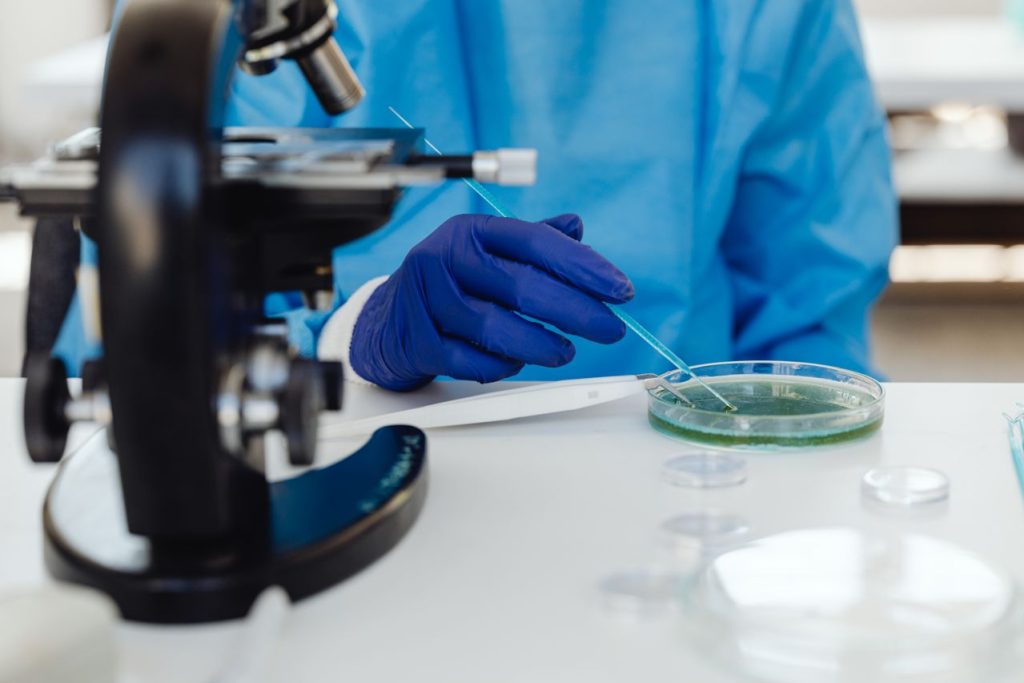
How ICSI Differs from Conventional IVF and Why It Is Important for Men
In conventional IVF, eggs and millions of prepared sperm are placed together in a laboratory dish, allowing the sperm to naturally swim toward and penetrate the egg on their own. This requires a sufficient count and motility level from the sperm.
During ICSI (Intracytoplasmic Sperm Injection), an embryologist examines the available sperm and injects one into each suitable egg using a fine needle. This process bypasses the need for the sperm to swim to and penetrate the egg by itself.
This means that ICSI provides an opportunity for men with low sperm count, poor motility, abnormal morphology, or even those with no sperm in the semen at all, to still have a child carrying their own genetic material.
How Much ICSI Helps Each Sperm Condition
| Condition | Description | Can ICSI Help? |
| Oligospermia | Sperm count below the reference range | Very effective; only 1 sperm is needed per egg |
| Severe Oligospermia | Very low sperm count (<1 million/mL) | Effective, but backup sperm freezing should be planned |
| Asthenospermia | Poor sperm movement | Very effective; ICSI does not rely on motility |
| Teratospermia | Abnormally shaped sperm | Effective; the lab selects the best morphology |
| OAT Syndrome (All 3 simultaneously) | Low count + poor motility + abnormal shape | ICSI is the main treatment option considered |
| Azoospermia | No sperm detected in semen | Effective, but sperm retrieval from testicles (TESE/PESA) is required first |
| High DNA Fragmentation | Increased damage to sperm DNA | Standard ICSI may not be enough; consider adding IMSI or PICSI |
| Varicocele | Enlarged veins around the testicle | Requires evaluation whether to treat varicocele first or proceed with ICSI |
| Previous Vasectomy | The vas deferens has been cut | Effective, but sperm retrieval via MESA/PESA is required first |
| Retrograde Ejaculation | Semen enters the bladder during ejaculation | Effective; sperm is recovered from post-ejaculation urine |
Deep-dive into Each Condition
- Oligospermia: Sperm Count Below Reference Range
The WHO 2021 reference values specify a concentration of ≥16 million/mL or a total of ≥39 million per ejaculate. A result below this is termed oligospermia.
ICSI helps significantly in this case because it requires only 1 sperm per 1 egg. In cases of severe oligospermia (below 1 million/mL), specialists often recommend freezing backup sperm in advance in case fewer sperm than expected are retrieved on the actual egg collection day. - Asthenospermia: Poor Sperm Movement
Sperm motility is divided into Progressive Motility (swimming forward) and Total Motility (all forms of movement). Reference values are Progressive ≥30% or Total ≥42%.
In conventional IVF, poorly motile sperm cannot penetrate the egg. However, in ICSI, this step is bypassed entirely as the lab selects viable sperm with good morphology to inject directly into the egg, making asthenospermia one of the conditions where ICSI achieves the best results. - Teratospermia: Abnormal Sperm Shape
According to Kruger Strict Criteria, normal morphology is defined as ≥4%. This means normal semen samples contain a high proportion of abnormally shaped sperm, but a value below 4% is classified as abnormal.
The ICSI lab selects the most morphologically normal sperm available, and even in severe teratospermia, a small proportion of well-shaped sperm can usually be found. - Azoospermia: No Sperm Detected in Semen
This is the condition men worry about most, often feeling hopeless, but solutions do exist.
Azoospermia Has 2 Main Types:
Obstructive Azoospermia (OA): Blocked Vas Deferens Testicles produce sperm normally, but sperm cannot exit due to a blockage. Common causes include vasectomy, infection, or prior surgery.
The chance of retrieving sperm is very high, and ICSI combined with PESA or TESE yields good outcomes.
Non-obstructive Azoospermia (NOA): Severely Reduced or Absent Production More complex than OA because the issue lies within sperm production. Key causes include chromosomal abnormalities (such as Klinefelter Syndrome), Y-chromosome Microdeletion, or hormonal imbalances.
The likelihood of retrieving sperm depends on the underlying cause, though micro-TESE can still locate sperm in some cases.
PESA vs TESE: How Sperm Retrieval Methods Differ
| Method | Medical Term | Procedure | Primary Use Case |
| PESA | Percutaneous Epididymal Sperm Aspiration | Aspirates sperm from the epididymis using a fine needle | OA where epididymal tissue is intact |
| TESE | Testicular Sperm Extraction | Extracts a small testicular tissue sample to search for sperm | OA and certain NOA cases |
| Micro-TESE | Microsurgical TESE | Uses high magnification microsurgery to locate sperm-producing areas | NOA with very few sperm |
| MESA | Microsurgical Epididymal Sperm Aspiration | Aspirates sperm from epididymis using an operating microscope | OA, such as post-vasectomy cases |
An important point to know is that TESE/PESA are procedures separate from ICSI and are typically performed on the same day as egg collection, or sperm can be retrieved and frozen in advance.
High DNA Fragmentation: When Standard ICSI May Not Be Enough
The DNA Fragmentation Index (DFI) measures the extent of damaged (broken strand) sperm DNA. Sperm that appear normal under a microscope might possess high DNA damage that ordinary Semen Analysis cannot detect.
Effects of High DFI on ICSI:
- Slow embryo development or developmental arrest prior to reaching Blastocyst
- Higher early miscarriage rates
- Repeated unexplained IVF/ICSI failures
| DFI Result | Classification | Recommended Approach |
| <15% | Normal | Standard ICSI |
| 15–25% | Intermediate | Consider lifestyle adjustments + Standard ICSI |
| >25% | High | Consider IMSI or PICSI + Pre-treatment adjustments |
What Are IMSI and PICSI?
IMSI (Intracytoplasmic Morphologically Selected Sperm Injection) uses extremely high magnification (6,000–10,000x instead of the standard 400x) to select sperm with superior structural morphology, often utilized in high DFI or severe teratospermia.
PICSI (Physiological Intracytoplasmic Sperm Injection) uses hyaluronic acid to bind fully mature sperm, as sperm with intact DNA bind better to this substance, acting as “biological sperm selection”.
Can DNA Fragmentation Be Reduced Prior to ICSI?
In some cases, improvements are possible—especially when caused by lifestyle and environmental factors. Evidence-backed steps include quitting smoking, reducing scrotal heat exposure (avoiding prolonged sitting or hot baths), abstaining from alcohol, and taking antioxidants like CoQ10, Vitamin E, and Vitamin C over a 3-month period.
Varicocele: Operate First or Proceed Directly to ICSI?
Varicocele refers to abnormally enlarged veins around the testicle, which elevates scrotal temperature and impacts sperm quality and DNA fragmentation.
Varicocele Is Graded in 3 Stages:
- Grade 1: Small; detected only via Valsalva Maneuver or Ultrasound
- Grade 2: Moderate size; palpable upon examination
- Grade 3: Large; visible to the naked eye
Decision Framework: Varicocelectomy First vs Direct ICSI
Common clinical pathways considered by specialists:
Prior Varicocelectomy Surgery Is Suitable When:
- Grade 2–3 Varicocele with abnormal semen parameters
- Male partner is young (<35 years) and female partner has no fertility concerns
- Long-term sperm quality improvement is desired
- The couple can afford a 3–6 month waiting period post-surgery
Proceeding Directly to ICSI Is Suitable When:
- Female partner has factors such as low AMH or advanced age
- Grade 1 Varicocele with minimal expected gains from surgery
- Time efficiency is prioritized
- Sperm count is low but sufficient for ICSI
Is ICSI Still Needed After Varicocele Surgery?
Some individuals experience improved sperm metrics allowing for IUI or natural conception, while others improve but still require assisted reproduction. In such cases, ICSI remains the ideal option and generally yields better outcomes due to enhanced baseline sperm quality.
Varicocele and DNA Fragmentation
Varicocele and DNA fragmentation are frequently linked, as accumulated heat from varicocele is a primary driver of high DFI. For men presenting with both, undergoing varicocelectomy can sometimes lower DFI levels.
Special Circumstances
Desiring Children Post-Vasectomy: MESA + ICSI vs Vasectomy Reversal
Men who have undergone vasectomy and wish to conceive with a new partner or expand their family have two main pathways:
Vasectomy Reversal Reconnects the vas deferens. If performed within a short timeframe (<10 years), success rates are higher, offering natural conception potential. Drawbacks include waiting months for outcomes and declining success over time.
MESA + ICSI Aspirates sperm from the epididymis using microsurgery and performs ICSI immediately. Advantages include speed and avoiding surgical recovery uncertainties, though it requires a full ICSI cycle and ovarian stimulation for the female partner.
| Criteria | Vasectomy Reversal | MESA + ICSI |
| Vasectomy <10 Years Ago | Highly Suitable | Suitable |
| Vasectomy >10 Years Ago | Decreased Probability | More Suitable |
| Female Partner Factors Present | Not Suitable (Long wait) | More Suitable |
| Desire for Fast Results | Slower (Wait 3–6 months) | Faster |
Retrograde Ejaculation
A condition where semen flows backward into the bladder instead of exiting the body, seen in diabetic patients, post-prostate/spinal surgery, or as medication side-effects.
Sperm retrieval is achieved by collecting urine immediately following ejaculation, isolating sperm in the lab, and proceeding with ICSI as normal.
Low Testosterone (Hypogonadism)
Low LH and FSH mean the testicles lack signals to produce sperm, caused by pituitary/hypothalamic dysfunction or exogenous testosterone use.
Physicians typically attempt gonadotropin therapy to stimulate sperm production before considering TESE + ICSI, as sperm production can recover following hormonal management.
FAQ: Questions Men Hesitate to Ask
Is there hope with ICSI if sperm count is extremely low?
It depends on how low it is. If even a few sperm are found in the semen, the lab can usually locate enough for ICSI. If no sperm are found at all (Azoospermia), TESE/PESA directly from the testicles provides a viable path.
Will a son conceived via ICSI inherit his father’s sperm issues?
This depends on the root cause. If caused by environmental or lifestyle factors like Varicocele, the son does not automatically inherit that risk.
However, if caused by Y-chromosome Microdeletion (found in some NOA cases), the son will inherit the same Y-chromosome, meaning he may face similar sperm issues as an adult. Physicians typically provide genetic counseling prior to treatment.
What is required of the male partner on the ICSI day?
On egg retrieval day, the male partner is requested to provide a semen sample via masturbation at the clinic. If unable to produce a sample that day, frozen backup sperm can be utilized, or TESE/PESA is scheduled for the same day in Azoospermia cases.
How many sperm does ICSI require, and what happens if very few are retrieved?
ICSI requires 1 sperm per egg. If 8 eggs are retrieved, 8 sperm are needed. The lab usually aims for backup numbers. In severe scarcity, pre-freezing sperm across multiple visits is recommended to secure enough volume for the procedure.
If the initial semen analysis is poor, should it be repeated?
It should always be repeated after waiting 2–3 months, as a full sperm production cycle takes 72–90 days. An initial poor result could stem from high fever, severe stress, or temporary factors. Two separate tests provide far greater reliability.
Self-Assessment: Which Group Does Your Issue Fall Into?
If your semen analysis report falls into any of the groups below, consulting a specialist to evaluate ICSI is a recommended next step:
- Sperm concentration under 16 million/mL
- Progressive Motility under 30%
- Normal Morphology under 4%
- No sperm detected in semen
- DNA Fragmentation Index higher than 15%
- Un-evaluated Varicocele present
- History of vasectomy
- Retrograde ejaculation issues
- Previous unsuccessful IVF/IUI despite normal female partner evaluations
Discussing ICSI and other options at Gift Fertility
Low sperm count, poor motility, abnormal morphology and azoospermia call for different investigations and treatment choices. ICSI can help with some of the fertilisation challenges, while other situations may require hormone treatment, sperm retrieval or review of a potentially treatable cause first.
If you have a semen analysis and are unsure what it means for your options, you can book a consultation to review the findings with a fertility specialist. The aim is to understand the cause, consider both partners’ results and decide which next step fits the clinical circumstances.