


Intrauterine Insemination (IUI)
A basic infertility treatment method that involves selecting healthy, motile sperm and placing them directly into the uterus during ovulation to increase the chances of sperm reaching the egg.
About
What is IUI?
IUI (Intrauterine Insemination) is an assisted reproductive technology in which sperm from the male partner is processed in a laboratory to select the most healthy, strong, and motile sperm.
The selected sperm is then placed directly into the woman’s uterus on the day of ovulation, reducing the distance sperm must travel and increasing the chance of fertilization.
IUI Treatment
Suitable for couples who wish to begin infertility treatment with a simple, minimally invasive, and time-efficient method that closely resembles natural conception.
Procedure takes approximately 15–30 minutes
No surgery required and minimal recovery time
Pregnancy test results available in about 2 weeks
Why IUI
Why is IUI a common first-line treatment for infertility?
IUI is a less complex procedure compared to IVF or ICSI, as fertilization still occurs inside the female body. It helps sperm reach the fallopian tubes more easily at the optimal time for fertilization.
This method is suitable for cases where basic fertility factors are still favorable, such as regular ovulation, healthy fallopian tubes, and adequate sperm quality after laboratory processing.
10–15%
General success rate
The success rate of IUI depends on factors such as the woman’s age, egg quality, fallopian tube condition, uterine health, and the quality of processed sperm.
Process
IUI Procedure
IUI begins with health evaluation, ovulation monitoring, sperm preparation, and insemination into the uterus at the optimal time.
Preparation and Health Assessment
Both partners undergo health checks and receive guidance on physical and mental preparation before starting IUI treatment.
Ovarian Stimulation
In some cases, the doctor may prescribe ovarian stimulation medication to increase the number of mature eggs, followed by an ovulation trigger injection and scheduling of the IUI procedure.
Sperm Collection and Preparation
The male partner provides a semen sample on the day of treatment. Embryologists then select the healthiest, most motile sperm.
Intrauterine Insemination
A catheter is gently inserted through the cervix to place the prepared sperm directly into the uterus.
Pregnancy Testing
After the procedure, pregnancy is tested approximately 2 weeks later.
Success Factors
Factors Affecting the Success of IUI
The success of IUI depends on both male and female factors. The doctor will evaluate suitability before planning treatment.

Aftercare
Post-IUI Care Instructions
After intrauterine insemination, patients should follow the doctor’s advice, especially during the first few days, to support the body for fertilization and embryo implantation.
Rest for about 30 minutes after the procedure
After IUI, patients are advised to lie still and rest to help support sperm movement toward the egg.
Avoid sexual intercourse in the early period
Refrain from sexual intercourse for the first 1–2 days to avoid disturbing the uterus.
Avoid strenuous activities
Refrain from heavy work, lifting heavy objects, or intense exercise during the recovery period.
Maintain proper nutrition and rest
Eat nutritious foods, get adequate sleep, and reduce stress.
Who Should Consider
Who is suitable for IUI?
Male Partner
Female Partner
Benefits
Advantages of IUI

IUI is a basic treatment for infertility that closely resembles natural conception. It is simple, not complicated, and less invasive than other methods.
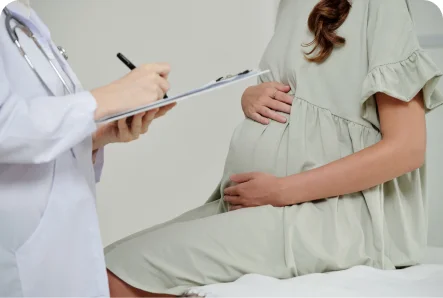
It can be performed in every menstrual cycle and is relatively affordable.

It helps determine the optimal timing for pregnancy, allowing conception and childbirth when you are ready and at the most appropriate time.
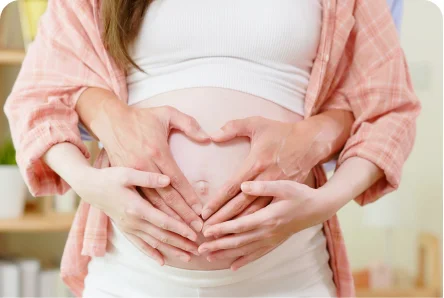
It does not involve surgery. It is simply the injection of sperm from the male partner into the female uterus. After IUI, no recovery time is required.
Comparison
How is IUI different from GIFT, IVF, and ICSI?
IUI
Sperm is selected and then placed into the uterus during ovulation to allow fertilization to occur inside the body.
GIFT
Eggs and sperm are placed into the fallopian tube to allow natural fertilization, but the procedure requires surgery and a longer recovery period.
IVF
Eggs and sperm are combined outside the body in a laboratory. The resulting embryos are then cultured and transferred back into the uterus.
ICSI
A selected sperm is directly injected into an egg in the laboratory. It is suitable for cases that require greater control over fertilization.
Medical Note
Is IUI suitable for everyone?
IUI is not suitable for all cases. If there is severe fallopian tube blockage, very poor sperm quality, advanced maternal age, or repeated unsuccessful IUI cycles, the doctor may recommend other treatments such as IVF or ICSI to improve the chances of success.
Consultation
Consult IUI Treatment with a Fertility Specialist
If you would like to assess your suitability for intrauterine insemination (IUI) or plan infertility treatment, you can contact Gift Fertility Centre Bangkok for an initial consultation and professional guidance.
FAQ