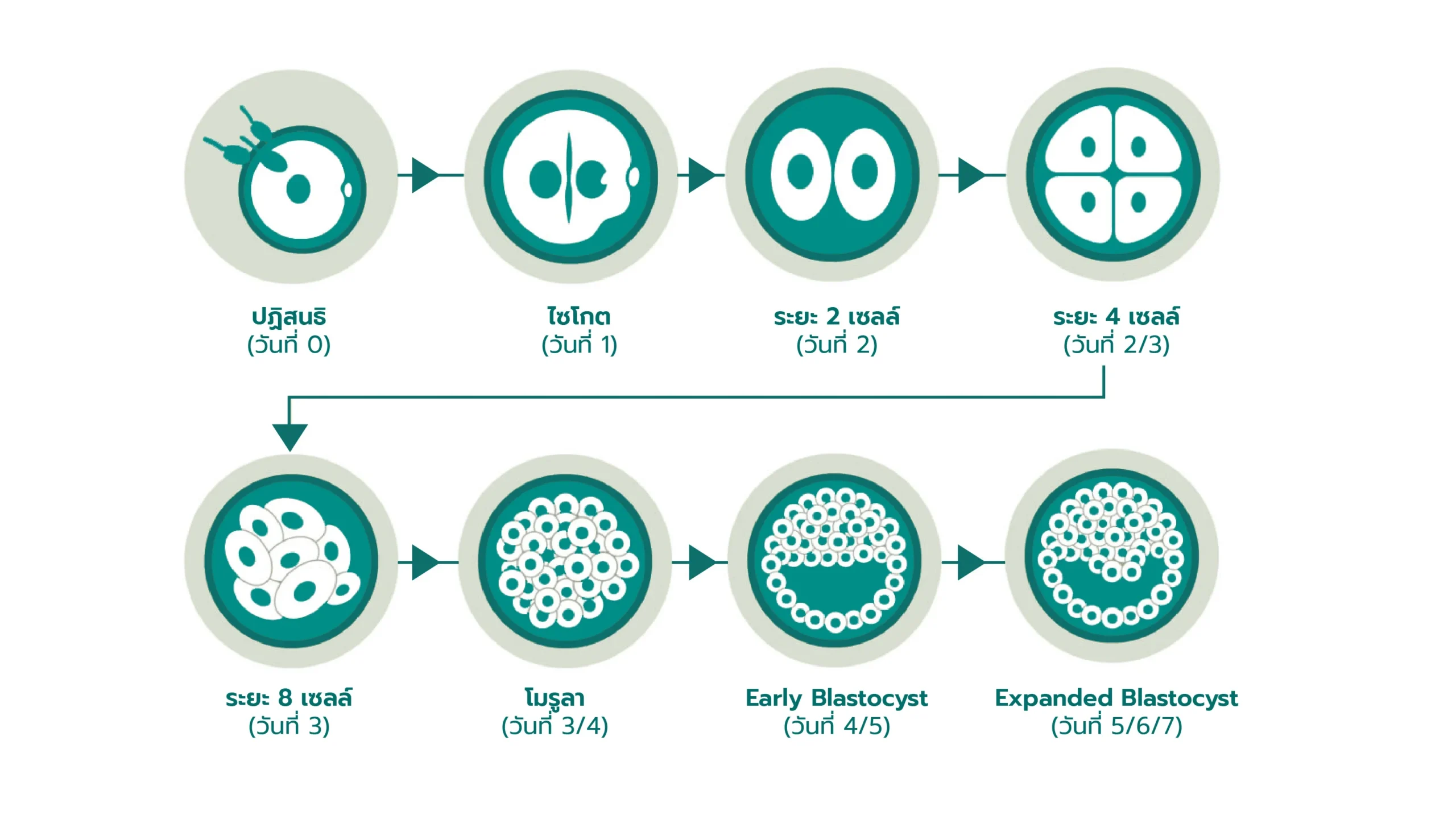
Blastocyst Culture
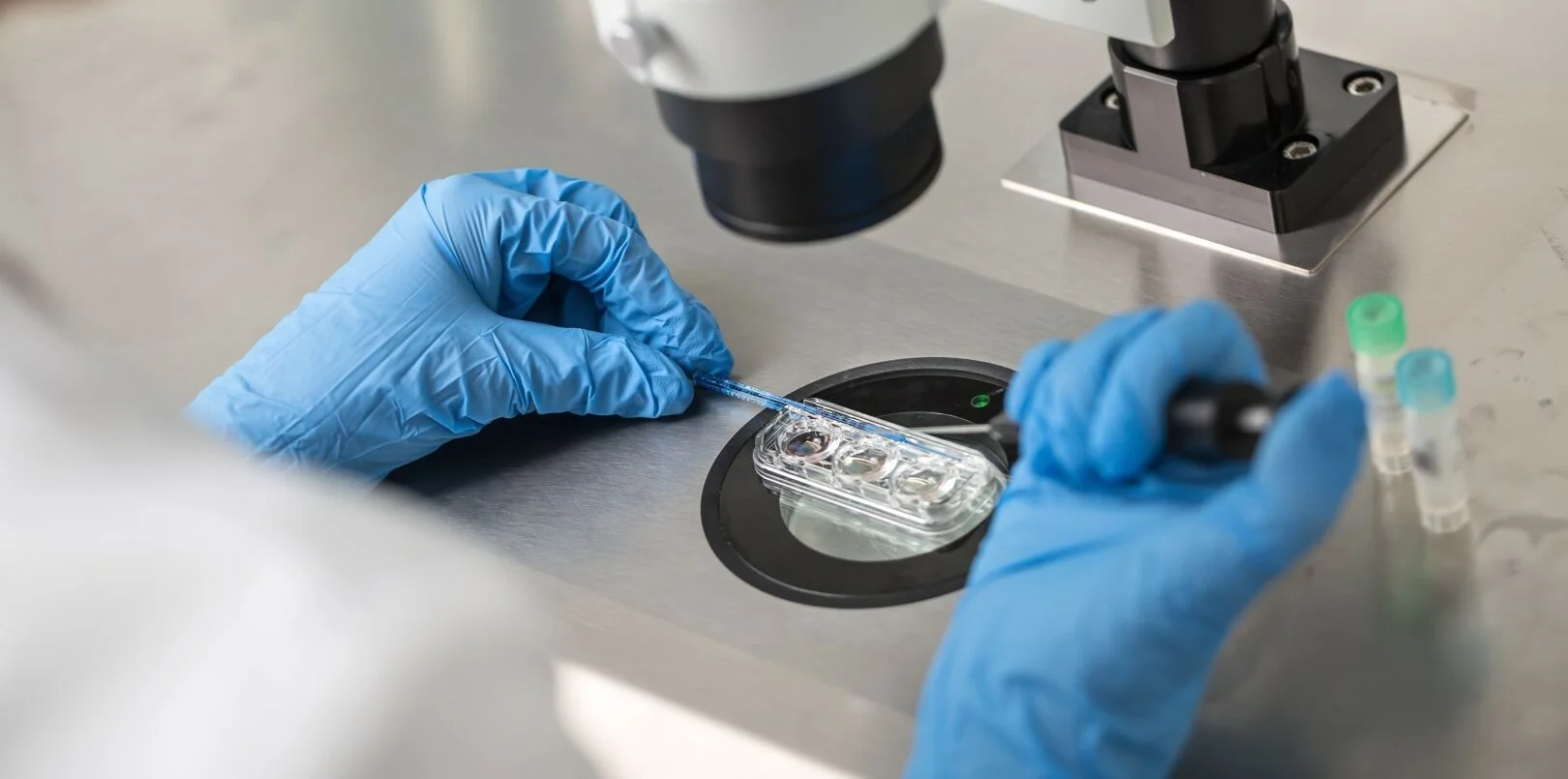
Blastocyst Culture is the process of culturing embryos after fertilization between sperm and egg cells in a standardized laboratory environment. This process uses advanced technology designed to closely replicate the conditions within the human body, including optimal temperature, humidity, pH levels, gas concentrations, and a sterile environment. Following fertilization, the cells continue to develop into blastocyst-stage embryos. This process typically takes approximately 5–6 days, which is considered the stage at which the embryo is most developed and suitable for transfer. The embryo is then transferred into the woman's uterus as part of the next stage of treatment.
This stage is one of the most important steps in infertility treatment
using In Vitro Fertilization (IVF) or Intracytoplasmic Sperm Injection (ICSI). The success of pregnancy through IVF largely depends on the quality, viability, and developmental potential of the embryo. Culturing embryos to the blastocyst stage can improve the chances of successful implantation and pregnancy.
Factors Affecting the Success of Embryo Culture and Pregnancy
Health and age of both partners
The health and age of both the male and female partners affect sperm and egg quality, which directly influences embryo quality.
Embryo quality
Embryologists carefully assess embryo quality before every embryo transfer to ensure the best possible chance of success.
Expertise of the embryology team
Certified embryologists with advanced laboratory skills, together with the use of high-quality standardized culture media, help maintain optimal embryo development and preservation standards, contributing to improved pregnancy success rates.