IVF and ICSI are two terms that often come up when couples begin exploring fertility treatment. Both involve fertilisation in a laboratory, but they differ in how sperm reaches the egg. With conventional IVF, prepared sperm and eggs are placed together. With ICSI, an embryologist injects a single sperm directly into an egg.
This distinction is key when choosing a treatment plan. While ICSI can be helpful for sperm-related concerns, it is not necessarily the superior choice for every couple. The choice also depends on the eggs available, previous treatment and the findings from both partners. Understanding when conventional IVF may be appropriate is just as useful as knowing when ICSI may be recommended.
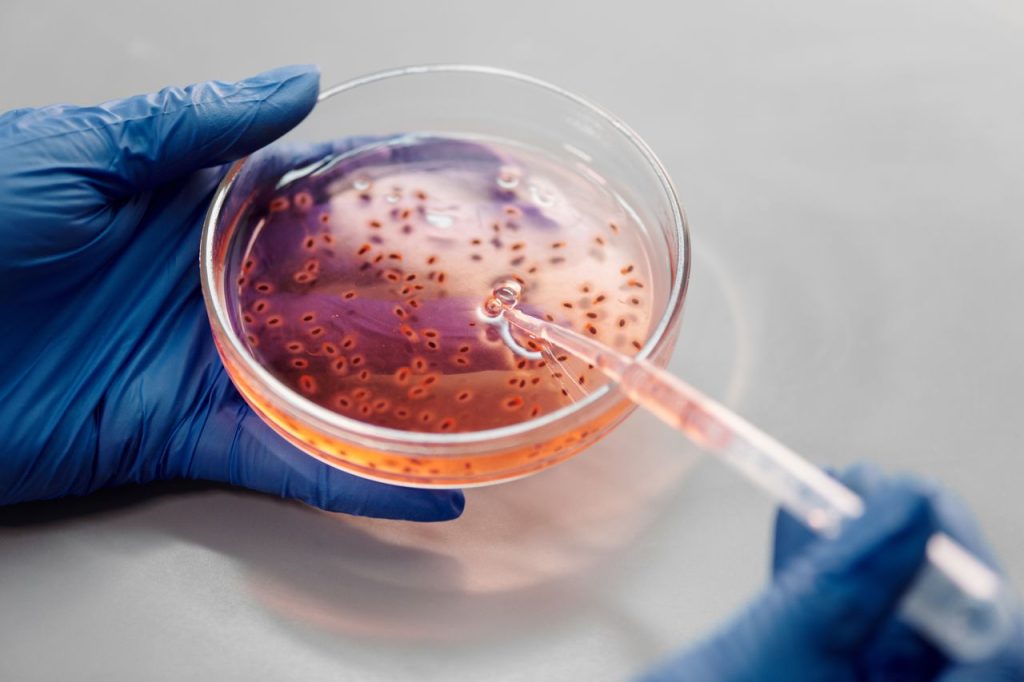
What is Conventional IVF?
In conventional IVF, eggs and prepared sperm are placed together in a laboratory dish. Sperm must move towards and enter an egg for fertilisation to take place. This resembles the fertilisation process that occurs naturally, although it happens under controlled laboratory conditions rather than inside the body.
Conventional IVF may be suitable when:
- Sperm concentration is sufficient, with a figure of more than 10–15 million sperm per mL given as an example.
- Sperm movement and shape are within an acceptable range.
- Neither partner has another factor that calls for a different fertilisation method.
With conventional IVF, the sperm must reach and penetrate the egg. This can be viewed as a form of natural sperm selection, because successful fertilisation requires the sperm to have certain functional abilities.
Conventional IVF and ICSI compared
| Feature | Conventional IVF | ICSI |
| Fertilisation Method | Sperm and eggs are placed together; fertilisation occurs naturally in the dish. | A single sperm is injected directly into the egg. |
| Sperm Required | 50,000–100,000 motile sperm per egg. | 1 sperm per egg. |
| Primary Indication | Normal sperm parameters; female-factor infertility (e.g., tubal blockages). | Male-factor infertility (low count/motility); use of frozen eggs. |
| Fertilisation Rate | 60–80% | 70–85% |
| Laboratory Complexity | Moderate | High (requires advanced technical expertise) |
| Cycle Duration | Approx. 14 days | Approx. 14 days |
| Cost | Standard IVF fee | Additional laboratory fees apply |
When might conventional IVF be the better option?
Conventional IVF is often worth considering when a couple’s sperm parameters are normal and the primary fertility factor relates to the female partner, such as blocked fallopian tubes. In this situation, sperm may be able to fertilise eggs in the laboratory without the injection used in ICSI.
IVF may be more suitable than ICSI when
Sperm count and quality are normal, and problems lie entirely with the female partner, such as blocked fallopian tubes. Allowing sperm to naturally select the egg in the lab may yield comparable results, and some research has suggested that embryos from conventional IVF in groups with normal sperm have slightly better quality due to natural selection processes.
However, in practice, most clinics in Thailand tend to use ICSI as standard to reduce the risk of obtaining no embryos in case of misjudging sperm evaluation.
When is ICSI more suitable?
| Situation | Conventional IVF | ICSI |
| Sperm quality | Normal findings, including a concentration above 15 million/mL | Low count, poor movement or abnormal shape |
| Female-related factors | Blocked tubes or other female-related conditions | Older age, a limited number of eggs or frozen eggs |
| Treatment history | First treatment cycle | Previous unsuccessful IVF treatment |
Do IVF and ICSI follow different treatment schedules?
Another frequently asked question is whether choosing ICSI instead of conventional IVF takes longer or requires different preparation. Mostly, everything is quite similar; differences happen only in the lab, not within yourself.
IVF and ICSI treatment timeline
| Timing | Procedure / Stage | Conventional IVF & ICSI Process | Timing |
| Days 2–3 | Ovarian Stimulation | Daily medication to stimulate follicle growth | Days 2–3 |
| Days 8–12 | Follicle Monitoring | Ultrasound scans to track development | Days 8–12 |
| Days 11–13 | Trigger Injection | Final maturation shot administered | Days 11–13 |
| Days 13–14 | Egg Retrieval | Procedure to collect mature eggs | Days 13–14 |
| Fertilisation Day | Laboratory Fertilisation | IVF: Sperm & eggs placed together ICSI: Direct sperm injection | Fertilisation Day |
| Days 1–5 | Embryo Culture | Monitoring embryo development in the lab | Days 1–5 |
| Day 3 or 5 | Embryo Transfer | Transferring the embryo into the uterus | Day 3 or 5 |
| 10–14 Days | Pregnancy Test | Beta-hCG blood test | 10–14 Days |
The female partner does not feel any difference between natural IVF and ICSI; all differences occur entirely within the laboratory.
When might IMSI or PICSI be discussed?
If conventional ICSI has not led to the expected result, a fertility specialist may discuss further sperm-selection techniques, including:
- IMSI: Uses very high magnification to examine sperm structure and select sperm on the basis of visible features.
- PICSI: Uses a selection method involving a substance that mimics a naturally occurring binding process, intended to help identify mature sperm.
Questions Couples Ask Before Choosing IVF or ICSI (FAQ)
Is ICSI more expensive than conventional IVF, and is it worth the cost?
The value of ICSI depends on the medical indication. The procedure may involve an additional laboratory charge, but where sperm quality is a concern, ICSI may reduce the risk of fertilisation failure. Discuss the expected benefit and cost for your treatment plan.
If no eggs fertilised with conventional IVF, should the next cycle use ICSI?
Often, ICSI is considered after total fertilisation failure. Before making that decision, the fertility specialist should review whether sperm factors, egg factors or laboratory circumstances may have contributed. The findings from the previous cycle help guide the next plan.
If sperm results are normal but AMH is very low, should we use ICSI?
ICSI may be considered when the number of eggs available is limited, with the aim of reducing the risk of fertilisation failure. AMH and the expected number of eggs should be reviewed alongside sperm findings and previous treatment before selecting the method.
Does ICSI produce weaker embryos than conventional IVF?
ICSI does not automatically produce poorer-quality embryos. Age, egg quality and sperm DNA quality are important considerations, rather than the fertilisation technique alone.
If an ICSI cycle is unsuccessful, should we repeat the same approach?
Not necessarily. The next step depends on where difficulties occurred. If fertilisation took place but an embryo did not implant, the fertility specialist may review the uterine preparation and discuss additional testing, including PGT-A when relevant, rather than simply repeating the same approach without further assessment.
Discussing a Treatment Plan That Fits Your Circumstances
Choosing a method of infertility treatment involves more than comparing two laboratory techniques. Age, the health of the eggs and sperm, and previous treatment all contribute to the decision. Understanding the differences between IVF and ICSI can make the discussion with a fertility specialist more useful and help clarify why one option is being proposed.
A consultation can bring those findings together and explain the available choices.
The fertility specialists at Gift Fertility can review the couple’s circumstances and discuss a plan suited to their medical needs, including when IVF or ICSI may be appropriate.