


What are IVF and ICSI?
In Vitro Fertilization (IVF) and Intracytoplasmic Sperm Injection (ICSI) Services
In Vitro Fertilization (IVF) and Intracytoplasmic Sperm Injection (ICSI) Services
At Gift Fertility Centre Bangkok, we provide In Vitro Fertilization (IVF) and Intracytoplasmic Sperm Injection (ICSI) services to help increase the chances of achieving a successful pregnancy. We are committed to providing our patients with confidence and peace of mind through a laboratory that meets international standards. Our facilities are maintained in a sterile environment with appropriate temperature and humidity control to ensure optimal conditions throughout the treatment process. Every stage of treatment is closely supervised by our team of physicians, scientists, and fertility specialists who have extensive experience in treating infertility patients at leading hospitals in Thailand. We are dedicated to providing professional consultation, carefully listening to each patient's needs, and developing the most appropriate treatment plan for each individual.
By utilizing advanced technology and innovative reproductive medicine techniques, together with internationally recognized standards in diagnosis and treatment, we support our patients throughout their fertility journey until a successful pregnancy is achieved and their baby is welcomed into the world, helping to fulfill the dream of a complete family.
What Is In Vitro Fertilization (IVF)?
In Vitro Fertilization (IVF) is an assisted reproductive technology (ART) in which an egg and sperm are fertilized outside the body in a laboratory. During the IVF process, specialists collect and select mature eggs from the female partner and sperm from the male partner for fertilization. Once fertilization occurs, the resulting embryos are cultured in a laboratory under carefully controlled conditions until they reach an appropriate developmental stage, typically the blastocyst stage.
The selected embryo is then transferred into the woman's uterus, where it can implant and continue to develop naturally. If additional viable embryos remain after the IVF cycle, they may be cryopreserved (frozen) for use in future treatment cycles.
IVF helps improve the chances of successful embryo development and implantation, thereby increasing the likelihood of pregnancy. As a result, it has become one of the most widely used fertility treatment options for couples experiencing infertility.
What Is Intracytoplasmic Sperm Injection (ICSI)?
Intracytoplasmic Sperm Injection (ICSI) is an assisted reproductive technology (ART) in which a single sperm is directly injected into an egg using a specialized microscopic needle to facilitate fertilization outside the body.
During the ICSI procedure, a fertility specialist carefully selects the healthiest and most motile sperm from the male partner. The selected sperm is then injected directly into a mature egg that has been previously retrieved from the female partner. This technique helps overcome potential barriers that may prevent the sperm from naturally penetrating the egg.
Following successful fertilization, the resulting embryo is cultured in the laboratory until it reaches the blastocyst stage. The embryo is then transferred into the woman's uterus, where it can implant and continue its development during pregnancy.
Today, ICSI is recognized as one of the most effective treatments for infertility, particularly in cases involving male-factor infertility. The procedure is highly precise, safe, and widely utilized by fertility centers around the world.
IVF vs ICSI
Key Differences Between IVF and ICSI
Both IVF and ICSI are assisted reproductive technologies designed to increase the chances of achieving a successful pregnancy, and both procedures are performed in a specialized laboratory setting. The primary difference between the two methods lies in the fertilization process.
In conventional IVF, multiple eggs are combined with a prepared sperm sample in a culture dish. Fertilization occurs naturally when the healthiest sperm successfully penetrates and fertilizes an egg without direct intervention.
In contrast, ICSI involves the selection of a single healthy sperm and a mature egg. Using a specialized microscopic needle, an embryologist directly injects the selected sperm into the egg to achieve fertilization. This technique is particularly beneficial in cases where natural sperm penetration may be difficult or unlikely to occur.
IVF
The sperm is allowed to naturally penetrate the egg in the laboratory. This method is suitable in cases where sperm quality is still sufficient to support fertilisation on its own.
ICSI
In ICSI, a fertility specialist selects a single sperm and injects it directly into a mature egg to facilitate fertilization. This technique is often recommended when male-factor infertility is present or when there are specific medical indications for this approach.
IVF Treatment Process
From Your Initial Consultation to Post-Embryo Transfer Follow-Up
First Visit
Medical history review, preliminary assessment, and planning of the necessary fertility investigations for both partners.
Diagnostic Evaluation
Hormone testing, ultrasound examinations, and semen analysis are performed to assess factors that may affect fertility and pregnancy outcomes.
Personalized Treatment Planning
An individualized ovarian stimulation protocol is selected based on each patient's specific condition and fertility profile, rather than applying a one-size-fits-all approach.
Ovarian Stimulation
Fertility medications are administered for approximately 8–12 days to stimulate egg development, with close monitoring of the ovarian response throughout the process.
Egg Retrieval
The egg retrieval procedure is performed under the supervision of a fertility specialist and typically takes approximately 20–30 minutes.
Fertilization and Embryo Culture
Fertilization is carried out using either IVF or ICSI, depending on the individual case. The resulting embryos are then cultured in the laboratory under carefully controlled conditions.
Embryo Transfer
Hormone testing, ultrasound examinations, and semen analysis are performed to assess factors that may affect fertility and pregnancy outcomes.
Follow-Up Care
Pregnancy testing and early pregnancy monitoring are conducted according to the treatment plan established by the physician.
The ICSI Process
From Your Initial Consultation to Post-Embryo Transfer Follow-Up
The overall timeline for an ICSI cycle is generally similar to that of IVF. However, the treatment plan involves a more detailed evaluation of sperm quality and the selection of the most appropriate technique based on male-factor fertility considerations.
Semen Analysis
A semen analysis is performed to assess key sperm parameters and determine whether ICSI is the most appropriate treatment option. In some cases, sperm retrieval procedures such as TESE (Testicular Sperm Extraction) or PESA (Percutaneous Epididymal Sperm Aspiration) may also be considered.
Personalized Treatment Planning
A customized treatment plan is developed based on the diagnostic findings of both partners. Treatment recommendations are tailored to each individual case rather than following a standardized approach.
Ovarian Stimulation
The female partner undergoes ovarian stimulation using fertility medications according to the physician’s treatment plan, with continuous monitoring throughout the process.
Sperm Collection or Retrieval
Fertility medications are administered for approximately 8–12 days to stimulate egg development, with close monitoring of the ovarian response throughout the process.
ICSI Procedure in the Laboratory
A carefully selected sperm is injected directly into a mature egg by an embryologist using specialized micromanipulation techniques to facilitate fertilization in appropriate cases.
Embryo Culture
The resulting embryos are cultured and monitored in the laboratory to assess their development according to established clinical standards.
Embryo Transfer
Embryo Transfer
Follow-Up Care
Pregnancy testing and early pregnancy monitoring are conducted in accordance with the physician’s treatment and follow-up plan.
IVF Treatment Process
Understand the Cost Components Before Making a Decision
The cost of IVF treatment typically consists of several components, including fertility medications, ovarian stimulation, egg retrieval, laboratory procedures, embryo transfer, and additional services that may be recommended as part of an individualized treatment plan.
Because Each Case Has Different Details
This landing page is designed to help you understand the overall picture first. For detailed pricing information and cost planning, you should refer directly to the pricing page or consult with a physician to assess a budget that is appropriate for your specific case.
Success Rates of IVF and ICSI
IVF Success Rate
60 - 70%
The success rate of IVF depends on several factors, including the female partner’s age, egg quality, sperm quality, the treatment technique used, and the experience of the medical team. The fertilization rate achieved through IVF is approximately 60–70%.
ICSI Success Rate
80 - 90 %
The success rate of ICSI depends on several factors, including the female partner’s age, egg quality, sperm quality, the technique used, and the experience of the medical team. The fertilization rate achieved through ICSI is approximately 70–80%.
Factors Affecting the Success of IVF and ICSI
The success of IVF and ICSI treatment depends on a number of factors, including

Female age is one of the most important factors affecting treatment success. As a woman gets older, the chances of achieving a pregnancy generally decrease. This is because advancing age increases the risk of chromosomal abnormalities in the eggs, which can lead to lower fertilization rates, impaired embryo development, anembryonic pregnancy (blighted ovum), or embryos with chromosomal abnormalities.

The number and quality of eggs are important factors that can influence the success of IVF and ICSI treatment. In general, a higher number of eggs may increase the chances of successful fertilization. During the egg retrieval process, embryologists carefully assess and select only mature, high-quality eggs that are considered suitable for IVF or ICSI procedures.
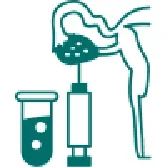
For successful embryo implantation, the uterine lining should be sufficiently thick and exhibit a healthy, well-developed appearance. A favorable uterine environment and good endometrial receptivity are also important factors in supporting embryo implantation and pregnancy.

Sperm count and sperm quality are also important factors that can affect fertilization outcomes. Male-factor fertility issues, such as a low sperm count, abnormal sperm morphology, poor sperm motility, or other sperm abnormalities, may reduce the likelihood of successful fertilization. Healthy sperm should have a normal pH ranging from 7.2 to 8.0, a concentration of at least 16 million sperm per milliliter, good motility, and normal morphology.

The first seven days after embryo transfer are a critical period during which the embryo begins the implantation process. During this time, the female partner should follow the physician’s recommendations and take appropriate care of her health to help support successful embryo implantation.
Post-IVF and ICSI Care Guidelines
IVF and ICSI are fertility treatments that utilize assisted reproductive technology and require close cooperation from the female partner throughout the treatment process. Patients undergoing IVF or ICSI should carefully follow their physician’s instructions, particularly during the first seven days after embryo transfer.
This period is critical for embryo implantation, as the embryo begins attaching to the uterine lining and establishing early pregnancy. Proper self-care and adherence to medical recommendations can help support successful implantation and optimal embryo development. Recommended practices include

Take medications strictly as prescribed by your physician and at the scheduled times.

Engage in moderate physical activity. Avoid frequently climbing stairs, excessive walking, or standing for prolonged periods. However, you should not remain in bed all the time or completely avoid physical movement.

Avoid strenuous work, heavy lifting, and vigorous exercise, particularly activities that require significant abdominal muscle contraction, as they may increase the risk of miscarriage due to uterine contractions.

Avoid driving or traveling long distances, as this may cause uterine contractions and potentially affect the embryo implantation process. It may also help reduce the risk of road accidents.

Eat a healthy diet, focusing on high-fiber and easily digestible foods. Avoid raw or undercooked foods, spicy salads, fermented foods, and seafood, as constipation or diarrhea may lead to abdominal straining.

Avoid sexual intercourse until your scheduled blood test for the pregnancy hormone (hCG). For the best possible outcome, sexual intercourse should be avoided during the first 14 days after embryo transfer.

Maintain good health, get adequate rest and sleep, keep a positive mindset, and avoid stress.

Avoid using products that contain chemicals, such as perfumes, cosmetics, hair sprays, toilet cleaners, floor cleaning solutions, and insect repellents. If necessary, choose products specifically formulated for babies or pregnant women.

If you experience any illness or unusual symptoms, avoid taking medications on your own and consult your physician immediately.
Who Is IVF and ICSI Suitable For?
IVF and ICSI are suitable for couples experiencing infertility who have been trying to conceive for more than one year without success. These treatments may also be appropriate for individuals or couples who have previously undergone other fertility treatments without achieving pregnancy, as well as those whose infertility is associated with age-related factors or underlying health conditions.
- Suitable for women with the following conditions
- Women over the age of 35 with a diminished ovarian reserve (Low Ovarian Reserve)
- Women with tubal factor infertility, such as blocked, narrowed, or twisted fallopian tubes, hydrosalpinx (fluid-filled fallopian tubes), congenital absence of the fallopian tubes, or a history of fallopian tube removal
- Women who have previously undergone tubal ligation and wish to conceive again without undergoing tubal reversal surgery
- Women with endometriosis
- Women with polycystic ovary syndrome (PCOS) resulting in chronic ovulation disorders
- Women with genetic abnormalities or a risk of hereditary diseases, including those with a history of recurrent miscarriage due to chromosomal abnormalities or previous pregnancies affected by genetic disorders
- Women who require ovarian surgery, such as surgery for ovarian cysts, ovarian tumors, or endometriomas (chocolate cysts)
- Women at risk of cancer or other serious medical conditions, subject to the clinical judgment of the medical team
- Women with unexplained infertility
- Suitable for men with the following conditions
- Men with a low sperm count of fewer than 15 million sperm per milliliter (Oligozoospermia)
- Men with unexplained infertility
- Men with sperm function abnormalities, such as abnormal sperm morphology (Teratozoospermia), reduced sperm motility (Asthenozoospermia), absence of sperm in the semen (Azoospermia), or inability to ejaculate semen (Aspermia)
- Men at risk of cancer or other serious medical conditions, subject to the clinical judgment of the medical team
Benefits of IVF and ICSI
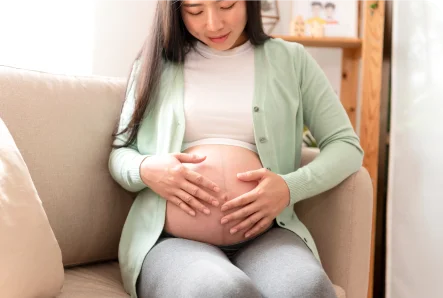
Higher success rates compared with other fertility treatments, helping to increase the chances of pregnancy. IVF and ICSI can also help individuals with infertility, reproductive system disorders, or certain hereditary conditions achieve pregnancy.

May increase the likelihood of having a healthy baby without certain genetic abnormalities, such as Down syndrome or thalassemia, through Preimplantation Genetic Testing (PGT), which allows embryos to be screened for chromosomal or genetic abnormalities before embryo transfer.
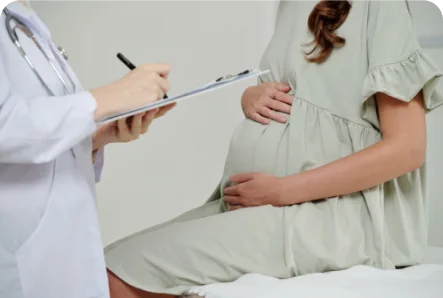
Helps individuals and couples plan the timing of pregnancy and pursue parenthood when they are ready and at the most appropriate time.

Does not require major surgery. The procedure involves retrieving eggs from the female partner, fertilizing them with sperm from the male partner, allowing the embryos to develop in the laboratory, and then transferring the selected embryo into the uterus.

Embryos and eggs can be cryopreserved and stored for more than 10 years for future use.
IVF and ICSI Treatment Costs
IVF and ICSI Treatment Costs
The cost of IVF treatment varies depending on the clinic and the individual treatment plan. In general, IVF treatment costs range from approximately THB 200,000 to THB 450,000.
IVF and ICSI Treatment Costs
The cost of ICSI treatment varies depending on the clinic and the individual treatment plan. In general, ICSI treatment costs range from approximately THB 200,000 to THB 450,000.
Differences Between the Types of IVF Treatment
Differences Between IVF and GIFT
GIFT (Gamete Intrafallopian Transfer) is an assisted reproductive technology in which eggs stimulated and retrieved from the female partner’s ovaries are combined with selected sperm and immediately transferred into the fallopian tube, allowing fertilization to occur naturally within the body.
As a result, patients undergoing GIFT require a surgical procedure performed in an operating room under anesthesia. The procedure involves making a small abdominal incision, and patients typically stay overnight for recovery.
In contrast, IVF (In Vitro Fertilization) is a more advanced technique in which eggs are retrieved transvaginally and fertilization takes place outside the body in a laboratory. Patients can usually return home after a recovery period of approximately 1–2 hours following the procedure.
Differences Between IVF and GIFT
GIFT (Gamete Intrafallopian Transfer) is an assisted reproductive technology in which eggs stimulated and retrieved from the female partner’s ovaries are combined with selected sperm and immediately transferred into the fallopian tube, allowing fertilization to occur naturally within the body.
As a result, patients undergoing GIFT require a surgical procedure performed in an operating room under anesthesia. The procedure involves making a small abdominal incision, and patients typically stay overnight for recovery.
In contrast, IVF (In Vitro Fertilization) is a more advanced technique in which eggs are retrieved transvaginally and fertilization takes place outside the body in a laboratory. Patients can usually return home after a recovery period of approximately 1–2 hours following the procedure.
Differences Between ICSI and GIFT
Both GIFT and ICSI are assisted reproductive technologies used to treat infertility. The main difference lies in the method used to transfer the fertilized egg or embryo into the female reproductive system.
In GIFT, eggs and sperm are placed together to allow fertilization, and the resulting embryo is transferred into the fallopian tube through a surgical abdominal procedure. The embryo then travels naturally to the uterus, where implantation and pregnancy may occur.
In contrast, ICSI involves selecting a single healthy sperm and injecting it directly into an egg. The resulting embryo is cultured in the laboratory before being transferred directly into the uterine cavity without the need for surgery. In addition, embryos created through ICSI may undergo chromosomal screening, such as Preimplantation Genetic Testing (PGT), which can help identify certain chromosomal abnormalities and support embryo selection prior to transfer.
Differences Between ICSI and IUI
ICSI (Intracytoplasmic Sperm Injection) is an assisted reproductive technology that begins with ovarian stimulation and the retrieval of multiple eggs. The eggs and sperm are fertilized outside the body in a laboratory, where the highest-quality sperm and eggs are selected. A single sperm is then injected directly into an egg to facilitate fertilization. The resulting embryo is cultured in the laboratory before being transferred into the uterus for implantation. The primary objective of ICSI is to improve the chances of fertilization by assisting the sperm in reaching and fertilizing the egg.
In contrast, IUI (Intrauterine Insemination) is a fertility treatment in which fertilization occurs naturally within the body. The process begins with ovulation stimulation, followed by the placement of specially prepared and selected sperm directly into the uterus at the time of ovulation. The sperm and egg are then allowed to meet and fertilize naturally within the female reproductive tract.
FAQ